Neck, Back and Shoulder Pain
Physiotherapy for neck, back and shoulder pain in Plymouth, Devon
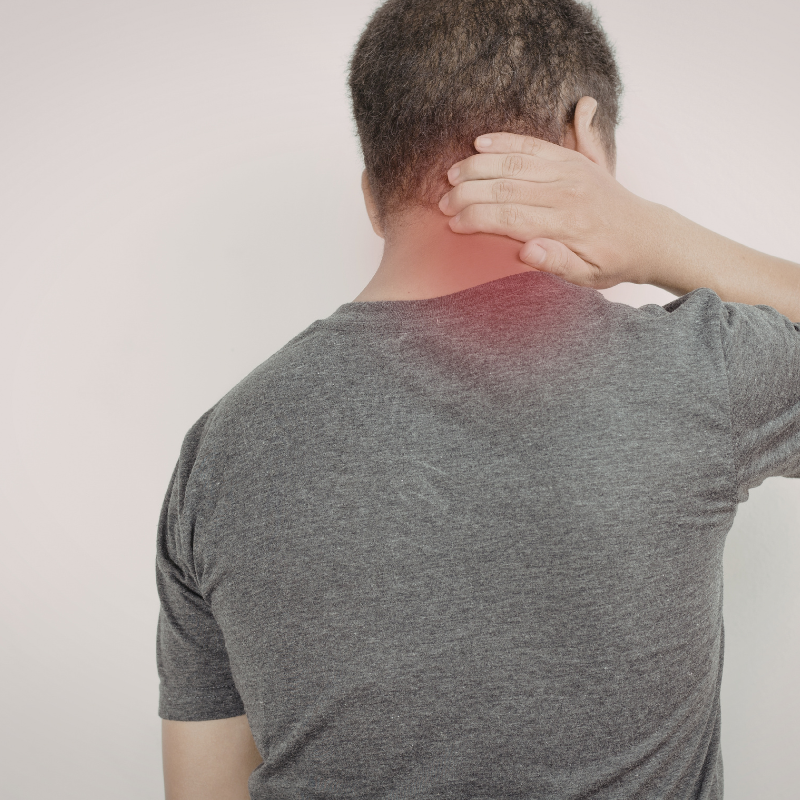
Neck, back and shoulder pain are incredibly common, affecting people of all ages and lifestyles. Globally, musculoskeletal conditions impact around 1.71 billion people, with low back pain being the leading cause of disability in 160 countries. Long hours at a desk, stress, poor posture, heavy lifting, or simply moving “wrong” can all contribute.
People often notice:
- A dull ache or sharp twinges in the neck, upper back or shoulders
- Muscle tightness, stiffness or spasms
- Headaches linked to neck tension
- Pain that worsens when holding one position for too long, such as computer work
- Reduced movement or difficulty turning the head or lifting the arm
These areas are particularly sensitive to:
- Postural strain from leaning over a computer or phone
- Muscle overload from repetitive tasks or sudden effort
- Joint irritation or age-related changes
- Stress-related tension
- Inactivity, which reduces tissue resilience
- Desk-based work is a major contributor, and incorrect posture can lead to both short‑term discomfort and longer‑term issues if left unaddressed
Physiotherapy is highly effective for neck, back and shoulder pain because it doesn’t just treat symptoms—it addresses the underlying cause.
- Hands‑on treatment to ease tight muscles and improve joint mobility
- Targeted exercises to strengthen supporting muscles and improve posture
- Movement coaching to help you sit, stand and lift with less strain
- Education so you understand what’s happening and how to prevent flare‑ups
New and Long Standing Injuries
Physiotherapy for long standing injuries in Plymouth, Devon
Injuries can appear out of nowhere — a sudden pull, twist or sharp pain — or they can build slowly over weeks or months until you realise something just isn’t settling. Whether it’s brand new or something that’s been hanging around far too long, both can affect how you move, how you feel and how confident you are in your body. These issues are incredibly common, and with the right support, they’re also very treatable.
- A sudden pain after a specific movement or activity
- Swelling, stiffness or bruising in the early stages
- A niggle that keeps returning during certain tasks
- Ongoing tightness, weakness or reduced mobility
- Feeling protective or cautious around the area
- Pain that flares with activity and eases with rest
New injuries tend to feel more intense, while long‑standing ones are often more frustrating — but both respond well to the right approach.
Most injuries come from a mix of factors rather than one single cause. Common contributors include:
- Sudden overload or unexpected movement
- Reduced strength or mobility in key areas
- Repetitive strain from work, sport or daily tasks
- Previous injuries that changed how you move
- Fatigue, stress or reduced activity levels
- Compensations that build up over time
Chronic issues often stick around because the underlying movement patterns or weaknesses haven’t been addressed yet — not because your body is “stuck” or unable to improve.
My approach brings together physiotherapy, hands‑on treatment and structured exercise to support you through every stage of recovery. During a thorough assessment we can work out the root cause of pain and establish a tailored plan to what you need, whether that’s calming things down, building things back up, or restoring confidence in movement.
- Hands‑on treatment to ease tightness, reduce pain and improve movement
- Soft tissue and massage techniques to help muscles relax and settle
- Targeted strength and mobility work to rebuild capacity and support healing
- Movement coaching so everyday tasks feel easier and less protective
- Clear, simple guidance so you understand what’s going on and how to manage flare‑ups
This combination helps calm symptoms in the short term while building long‑term resilience, so you can get back to the things you enjoy without worrying about the injury returning.
Balance and Mobility
Physiotherapy for balance and mobility in Plymouth, Devon
Feeling unsteady or noticing changes in how you move can be unsettling. Maybe walking on uneven ground feels harder than it used to, maybe stairs take more concentration, or maybe you’ve started avoiding certain activities because they don’t feel as safe anymore. These shifts are more common than people realise, and they often have very real, very fixable reasons behind them.
Balance and mobility aren’t just about strength — they’re a blend of coordination, joint movement, confidence, and how well different parts of your body communicate with each other. When one area is struggling, the whole system has to work harder.
- Feeling wobbly or unsure on your feet
- Slower, more cautious walking
- Difficulty getting up from the floor or lower chairs
- Stiffness that makes turning or changing direction feel awkward
- Hesitation on curbs, steps or uneven surfaces
- A general loss of confidence in everyday movement
These changes can creep in gradually, but they don’t have to stay that way.
There are lots of reasons this can happen, and it’s rarely down to “just ageing.” Common contributors include reduced leg strength, stiffness in the hips or ankles, previous injuries, inner‑ear issues, or simply moving less during busy or stressful periods. Sometimes it’s a confidence issue after a stumble or near‑fall. Sometimes it’s a mix of all of the above. The good news is that the body responds incredibly well to the right kind of input.
My approach focuses on helping you feel steady, capable and confident again by improving how your whole body works together. Sessions are tailored to your goals, whether that’s walking further, managing stairs with ease, or simply feeling safer day to day.
- Hands‑on treatment to ease stiffness and improve how your joints move
- Soft tissue and massage work to help muscles relax and support you better
- Targeted strength and balance training to rebuild stability and control
- Gait and movement coaching to make walking and everyday tasks feel smoother
- Clear, supportive guidance so you understand what’s changing and why
This combination helps you feel more stable in the short term while building long‑term confidence and independence — so you can move through your day without second‑guessing your body.
Hip, Knee and Ankle Pain
Physiotherapy for hip, knee and ankle pain in Plymouth, Devon
Hip Pain
Hip pain often shows up as a deep ache at the front, side or back of the hip, sometimes spreading into the groin or down the leg. It can make walking, standing up, or turning in bed feel stiff or awkward. Hips work hard throughout the day, so when strength, mobility or load tolerance changes, they let you know quickly. Whether it’s linked to sitting more, training harder, or recovering from an old injury, hip discomfort is incredibly common and very manageable with the right support.
Knee Pain
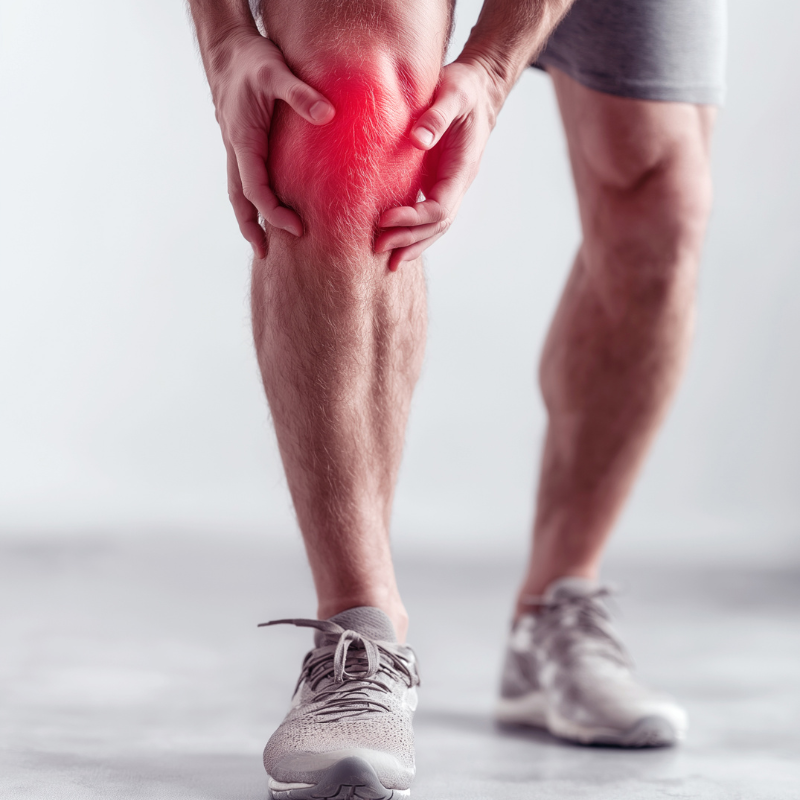
Knee pain can feel sharp, achy or “grindy,” and often flares during stairs, squatting, running or long periods of sitting. Sometimes the knee itself is irritated; other times the hips, ankles or movement patterns are playing a role. Changes in activity levels, reduced strength, or old injuries can all contribute. Even long‑standing knee niggles respond well once the joint is supported properly and the surrounding muscles are doing their job.
Ankle Pain
Ankle issues can follow a twist or sprain, or they can build gradually from stiffness, reduced balance or changes in how you walk. You might notice swelling, weakness or a feeling of instability on uneven ground. Even older ankle injuries can continue to affect movement if they never fully regained strength and control. The good news is that ankles adapt brilliantly with the right combination of mobility, strength and confidence‑building work.
My approach brings together physiotherapy, hands‑on treatment and structured exercise to help you move comfortably and confidently again — whether the issue is in your hip, knee or ankle. Each session is tailored to what you need, focusing on calming symptoms, improving movement and building long‑term resilience.
- Hands‑on treatment to ease stiffness, reduce pain and improve joint movement
- Soft tissue and massage techniques to help muscles relax and support the joint better
- Targeted strength and mobility work to build stability and load tolerance
- Movement coaching to improve how you walk, squat, climb stairs or load the joint
- Clear, simple guidance so you understand what’s going on and how to manage flare‑ups
This combination helps settle things in the short term while building the strength and confidence you need for long‑term comfort and ease of movement.
Sciatica
Physiotherapy for sciatica in Plymouth, Devon
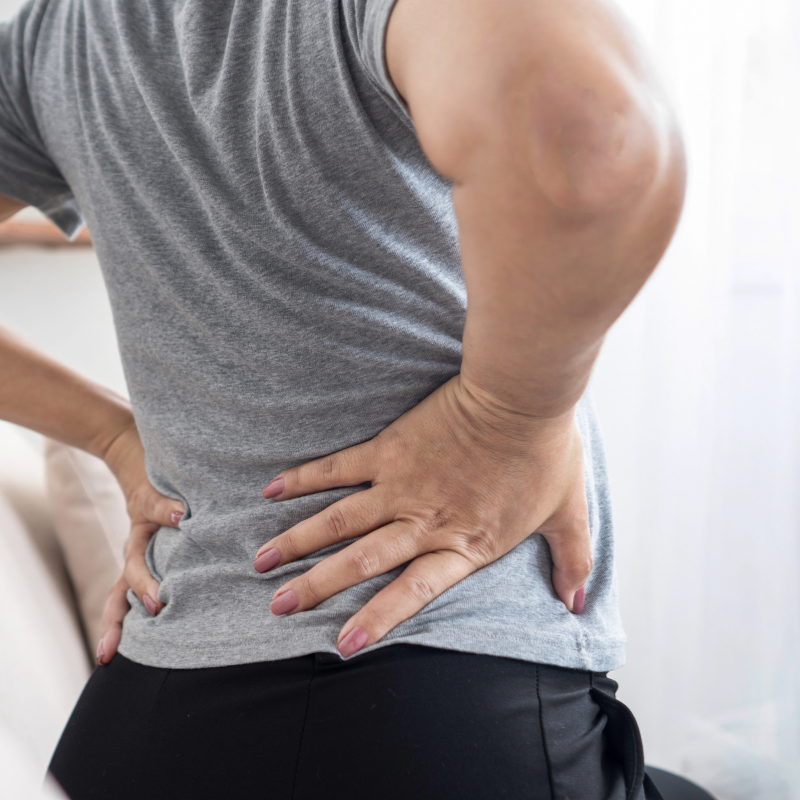
Sciatica is a type of nerve pain that can start in the lower back and travels through the buttock and down the leg. It happens when the sciatic nerve becomes irritated or compressed. It can feel sharp, burning, or like an electric shock, and although it can be really uncomfortable, most people improve within a few weeks to a few months.
People describe sciatica in lots of different ways. You might notice:
- Pain that shoots down the back of your leg
- Tingling or “pins and needles”
- Numbness in the leg or foot
- A feeling of weakness when you move the leg
- Pain that gets worse with moving, coughing, or sneezing
Sciatica is usually caused by something pressing on or irritating the nerve roots in the lower back. Common reasons include:
- A slipped (herniated) disc
- Age‑related changes in the spine
- Spinal stenosis (narrowing around the nerves)
- Spondylolisthesis (a vertebra slipping slightly out of place)
- A back injury
- Long periods of sitting or heavy lifting
These changes can come on gradually or suddenly.
Most people don’t need scans or surgery. Sciatica often settles with simple, supportive care:
- Keep moving gently — long periods of rest can make symptoms worse
- Try heat or ice for short‑term relief
- Use gentle stretches and mobility exercises
- See a physiotherapist for tailored exercises, hands‑on treatment, and guidance
- Short‑term pain relief may help (as advised by a GP or pharmacist)
- Staying active is one of the most effective ways to help the nerve calm down.
Although rare, you should get immediate medical attention if you notice:
- Sciatica on both legs
- Severe or worsening leg weakness
- Numbness around the genitals or anus
- Difficulty controlling your bladder or bowel
These symptoms can indicate a more serious condition that needs urgent assessment.
Physiotherapy supports recovery by helping you:
- Understand what’s driving your symptoms
- Reduce pain and irritation
- Improve movement and confidence
- Strengthen the muscles that support your spine
- Prevent future flare‑ups with personalised guidance
Treatment is always tailored to your lifestyle, goals, and how your body responds.
Achilles Tendinopathy
Physiotherapy for Achilles Tendinopathy in Plymouth, Devon
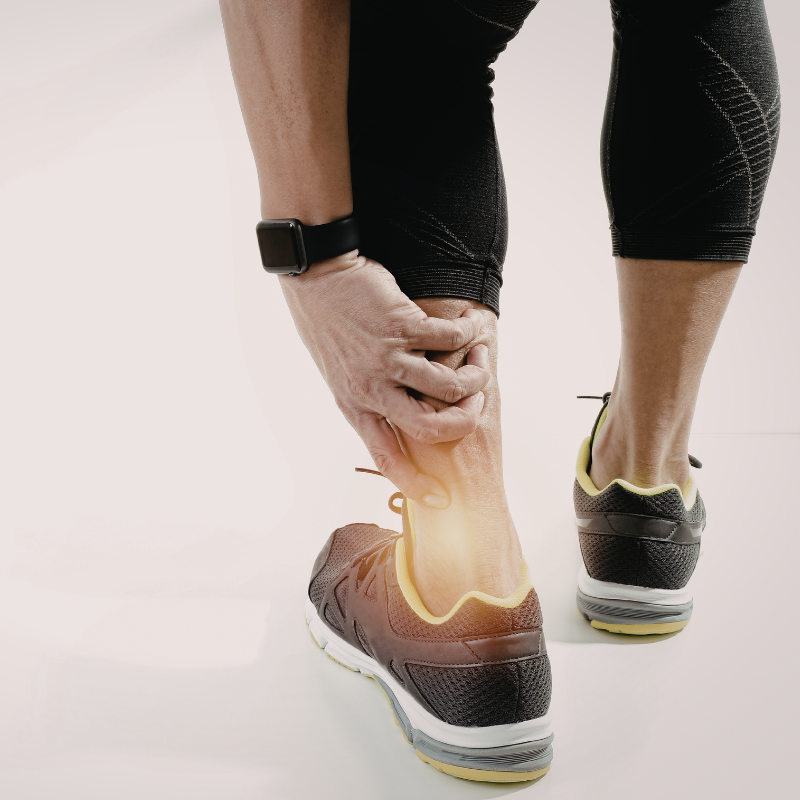
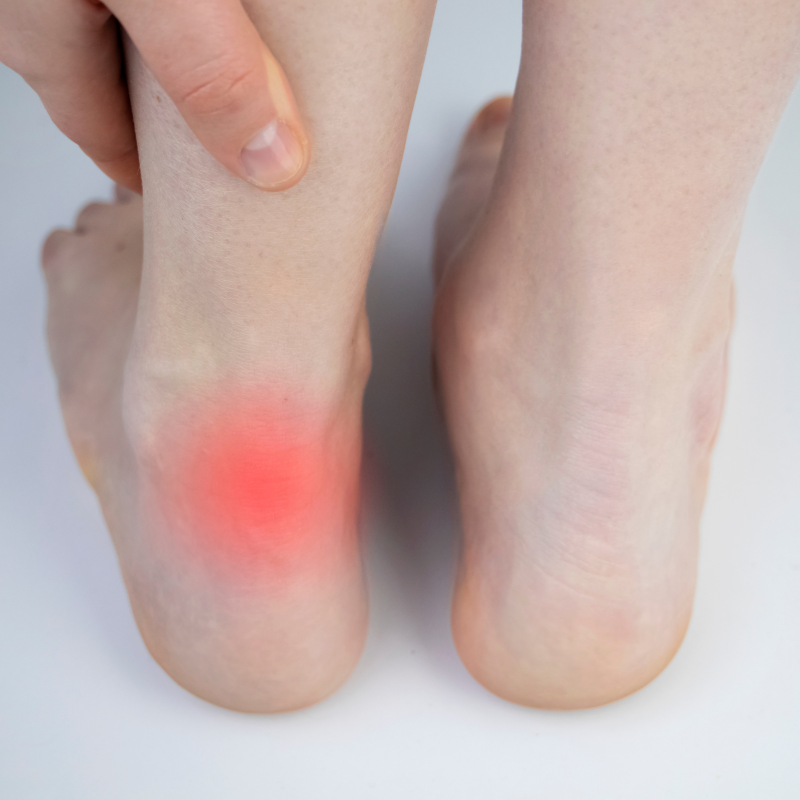
Achilles tendinopathy is a really common cause of pain at the back of the ankle. It can come on gradually or after a spike in activity, and it often lingers longer than people expect. The good news is that tendons respond brilliantly to the right kind of rehab, and most people make a strong, confident return to the things they love.
Your Achilles tendon connects your calf muscles to your heel. When it’s irritated, the tendon becomes sensitive and less able to cope with the loads you’re putting through it. This can happen for lots of reasons, including:
- A sudden increase in running, walking, or sport
- Reduced calf strength
- Stiffness through the ankle or foot
- Changes in footwear
- Long periods of rest followed by a quick return to activity
It’s not a “tear” or something that needs protecting forever—it’s a tendon asking for a more gradual, structured build‑up.
People often describe:
- Pain or stiffness first thing in the morning
- A tender spot at the back of the heel or slightly above it
- Pain that eases as you warm up, then returns later
- A feeling of weakness or heaviness in the calf
- Difficulty pushing off, running, or climbing stairs
If symptoms are persistent or worsening, it’s important to speak with a qualified healthcare professional for assessment and guidance.
Rehab for Achilles tendinopathy is all about helping the tendon become stronger and more tolerant again. Physiotherapy focuses on:
- Strengthening the calf and surrounding muscles so the tendon can handle load
- Gradually increasing activity in a way that feels manageable and predictable
- Improving movement patterns through the foot and ankle
- Managing pain so you can keep moving without fear
- Clear guidance on what to do, what to avoid, and how to progress
There’s no one-size-fits-all plan—your rehab is tailored to your symptoms, your goals, and the activities you want to get back to.
During your sessions, we may work on:
- Targeted strengthening exercises
- Hands‑on treatment to ease tightness and improve movement
- Advice on pacing your activity
- Guidance around footwear or training loads
- A clear, step‑by‑step plan to build confidence and strength
Most people start to feel improvements within a few weeks, and steady progress continues as the tendon adapts.
Sprains & Strains
Physiotherapy for sprains and strains in Plymouth, Devon
Sprains and strains are some of the most common injuries people experience. They can happen during sport, a sudden awkward movement, or even something as simple as missing a step. Although they can be painful and frustrating, most heal well with the right early care and a gradual return to movement.
Understanding the difference helps people feel less confused about what’s going on.
- Sprain — an injury to a ligament, the tough tissue that supports a joint.
- Strain — an injury to a muscle or tendon, usually from overstretching or overloading.
Both can range from mild to more significant, but most fall into the mild–moderate category and recover without long‑term issues.
Sprains and strains often occur when the body is asked to do something suddenly or unexpectedly. Common triggers include:
- Twisting or rolling an ankle
- Lifting something awkwardly
- Sudden changes in direction
- Fatigued or tight muscles
- Not warming up before exercise
- Slips, trips, or falls
Muscles and ligaments are designed to stretch and absorb force, but when that force is too much or too quick, the tissue becomes irritated or overstretched.
People often notice:
- Pain around the injured area
- Swelling or bruising
- Stiffness or difficulty moving normally
- Weakness or a feeling of instability
- Muscle spasms (more common with strains)
If symptoms are severe, worsening, or you’re unable to put weight on the area, it’s important to seek medical advice.
In the first couple of days, simple steps can help calm things down (PRICE):
- Protection — support the area and avoid movements that sharply increase pain
- Rest — reduce load but keep gentle movement where possible
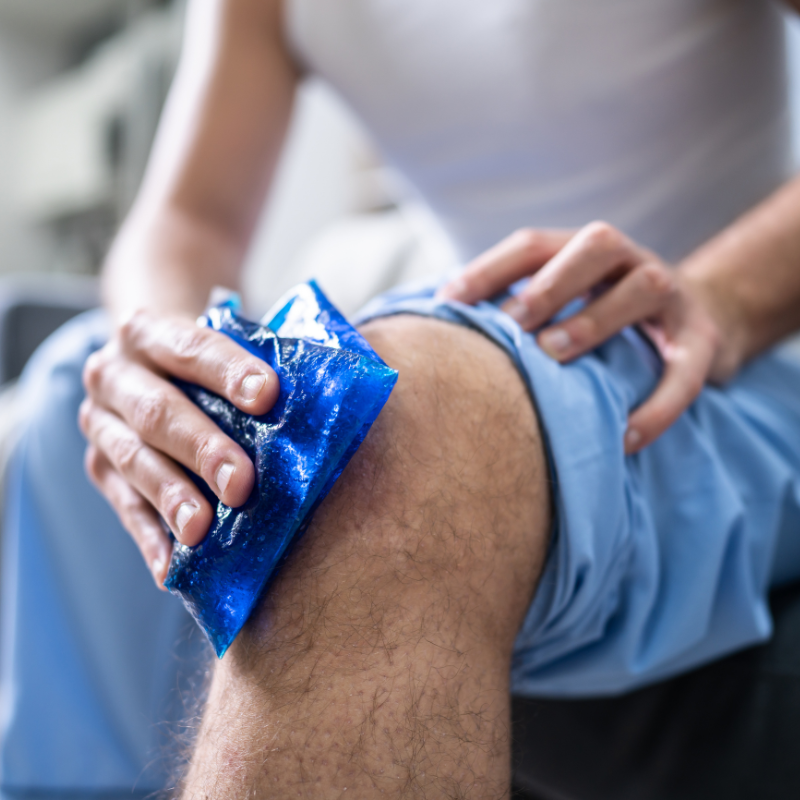
- Ice — up to 20 minutes every few hours to help with swelling
- Compression — a supportive bandage during the day
- Elevation — raising the limb to reduce swelling
These early measures are based on NHS guidance for sprains and strains. As pain settles, gentle movement is encouraged to prevent stiffness and support healing
Rehab focuses on helping the injured tissue recover strength, flexibility, and confidence.
Treatment may include:
- Targeted strengthening to support the joint or muscle
- Mobility work to restore comfortable movement
- Balance and control exercises (especially after ankle sprains)
- Hands‑on treatment to ease tightness and improve movement
- Guidance on pacing activity and returning to sport or work
- Advice on footwear, posture, or movement patterns if relevant
Most mild to moderate sprains and strains improve noticeably within a couple of weeks, though full recovery can take longer depending on the severity and the demands of your activity.
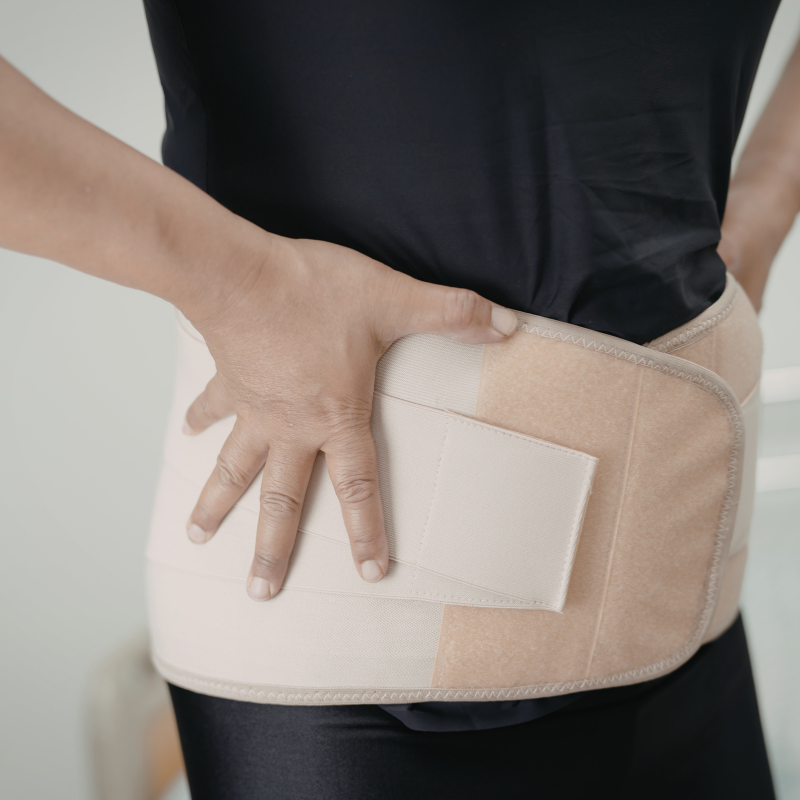
Post-surgery pain and swelling
Physiotherapy for post-surgery pain and swelling in Plymouth, Devon
Pain and swelling are completely normal after surgery. They’re part of the body’s natural healing response, but they can also feel uncomfortable, heavy, and limiting — especially in the first few weeks. Swelling often peaks within the first 48–72 hours and gradually settles over the following weeks, though it can linger longer depending on the type of surgery and how your body responds.
When swelling hangs around, feels tight or puffy, or makes movement difficult, targeted support can make a big difference. That’s where physiotherapy and lymphatic drainage work beautifully together.
Surgery triggers inflammation to protect and repair the area. This brings extra fluid into the tissues, which can lead to:
- A heavy or tight feeling
- Puffiness around the incision or limb
- Stiffness or reduced movement
- Throbbing or discomfort
- Slower, more cautious movement
Most of this is expected. But if the lymphatic system becomes overloaded, fluid can linger longer than it needs to, slowing recovery and making daily activities feel harder.
Manual lymphatic drainage (MLD) is a gentle, rhythmic technique that supports the body’s natural fluid‑clearing system. It’s especially helpful after surgery because it:
- Encourages fluid to move away from swollen areas
- Reduces pressure and discomfort
- Helps soften tight, puffy tissues
- Supports healing around scars and incisions
- Lowers the risk of complications like infection
- Helps you feel lighter and more comfortable
MLD is safe, soothing, and ideal when swelling feels stubborn or when you want to support your recovery proactively.
Physiotherapy helps you regain movement, strength, and confidence after surgery. It focuses on:
- Gentle, guided movement to reduce stiffness
- Improving circulation to help fluid clear naturally
- Restoring strength and mobility at a pace that feels safe
- Supporting scar mobility as tissues heal
- Addressing compensations that develop due to pain or swelling
- Helping you return to daily activities without fear or hesitation
Physio also helps you understand what’s normal, what’s not, and how to move in ways that support healing rather than aggravate symptoms.
Lymphatic drainage reduces the swelling and discomfort that can limit movement. Physiotherapy then builds on that by restoring mobility, strength, and confidence. Together, they create a smoother, more comfortable recovery and reduce the risk of long‑term swelling or stiffness.
This combined approach is especially helpful after:
- Orthopaedic surgeries (knee, hip, shoulder, ankle)
- Abdominal or pelvic surgeries
- Breast surgery
- Cosmetic procedures
- Any operation where swelling or stiffness is slowing progress